The Hard Truth: 95% of Diets Fail Within Two Years
You’ve probably heard the statistic before, but it’s worth repeating: studies show that approximately 95% of people who lose weight on a DIY diet regain it within one to two years. That’s not a failure of willpower — it’s a failure of the approach.
If you’ve tried every diet from keto to intermittent fasting, from Whole30 to the cabbage soup craze, and you’re still stuck in the same cycle, you’re not alone. Here in the Quad Cities, thousands of adults are caught in the same frustrating loop — losing 10 pounds, gaining back 15, and starting over again with a new plan every January.
The question isn’t whether you’re disciplined enough. The question is whether you’re using the right tool for the job. In 2026, medical weight loss has emerged as a science-backed alternative that’s changing the conversation entirely — and it’s available right here in Davenport, Iowa.
In this guide, we’re breaking down exactly why DIY diets keep failing, how medical weight loss works, and what the research actually says about medical weight loss programs in Iowa and the Quad Cities.
The DIY Diet Cycle: Why It Keeps Failing
Let’s be honest — most popular diets do work in the short term. You cut carbs, you drop calories, and the scale moves. But here’s what happens next:
The Restriction-Rebound Pattern
- Week 1–2: You’re motivated. You meal-prep, track every calorie, and feel in control. The scale drops 3–5 pounds (mostly water weight).
- Week 3–4: Hunger kicks in. Your energy crashes. You start thinking about food constantly.
- Week 5–8: A stressful day hits. You eat something “off-plan.” The guilt spiral begins. You think, “Well, I already blew it.”
- Week 9+: You’re back to old habits, plus a few extra pounds from the metabolic slowdown.
Sound familiar? Research published in Obesity Reviews suggests that repeated cycles of weight loss and regain — known as “weight cycling” — can actually make future weight loss harder. Each time you yo-yo, your body becomes more efficient at storing fat and your metabolism adapts to burn fewer calories.
The Biological Odds Are Stacked Against You
When you lose weight through calorie restriction alone, your body doesn’t just quietly accept it. It fights back through several mechanisms:
- Metabolic adaptation: Your resting metabolic rate slows down more than expected for your new body size.
- Hormonal changes: Hunger hormones like ghrelin increase, while satiety hormones like leptin decrease — making you feel hungrier than before you lost the weight.
- Brain signaling: Your brain’s reward system becomes more responsive to high-calorie foods, making cravings nearly impossible to ignore.
This isn’t a lack of discipline. It’s biology. Your body is literally working against your weight loss goals.
What Is Medical Weight Loss? A Science-Based Approach
Medical weight loss is exactly what it sounds like: weight loss supervised by a qualified healthcare provider using evidence-based tools. Unlike DIY diets, medical weight loss addresses the biological, behavioral, and metabolic factors that make losing weight — and keeping it off — so difficult.
A comprehensive medical weight loss program typically includes:
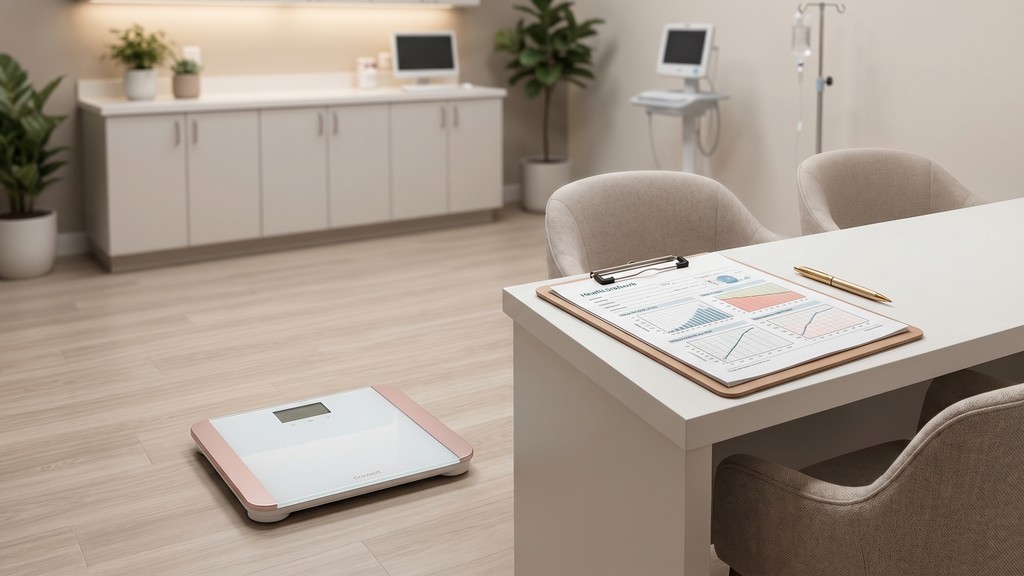
- Initial health assessment: Blood work, metabolic panels, thyroid function, hormone levels, and a review of your medical history to identify underlying barriers to weight loss.
- Personalized nutrition planning: Not a generic meal plan — a strategy tailored to your lifestyle, preferences, and metabolic needs.
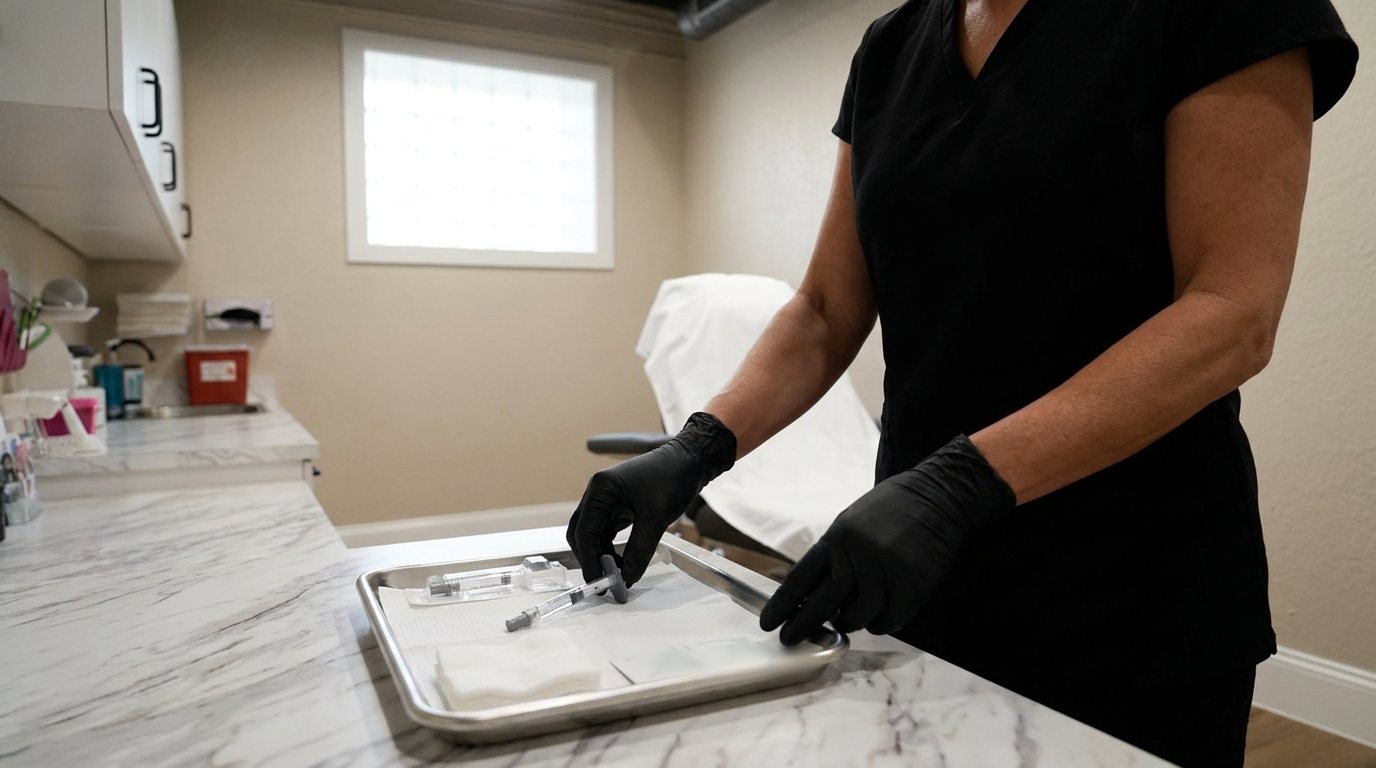
- Prescription medications: FDA-approved medications like semaglutide and other GLP-1 receptor agonists that target the biological mechanisms driving hunger and weight gain.
- Ongoing monitoring: Regular check-ins with a healthcare provider to track progress, adjust dosages, and address side effects.
- Behavioral support: Strategies for building sustainable habits rather than relying on willpower alone.
At The Bar Aesthetics & Wellness in Davenport, Marisa McCune, NP leads our medical weight loss program with a patient-first approach that focuses on real, lasting results — not quick fixes.
How Semaglutide and GLP-1 Medications Work
If you’ve been paying attention to weight loss news in 2026, you’ve likely heard of semaglutide — the active ingredient in medications like Wegovy and Ozempic. But how does it actually work?
The Science Behind GLP-1 Receptor Agonists
GLP-1 (glucagon-like peptide-1) is a hormone your body naturally produces in your gut after eating. It signals fullness to your brain, slows digestion, and helps regulate blood sugar. Semaglutide mimics this hormone — but at much higher levels than your body produces naturally.
Here’s what happens when you take a GLP-1 medication:
- Appetite suppression: Semaglutide acts on receptors in your brain’s appetite control center, reducing hunger and food cravings.
- Delayed gastric emptying: Food moves more slowly through your stomach, helping you feel fuller for longer.
- Blood sugar regulation: Improved insulin sensitivity helps reduce the blood sugar spikes and crashes that trigger cravings.
- Reduced “food noise”: Many patients report that the constant mental chatter about food — what to eat, when to eat, whether you should eat — simply quiets down.
Studies show that semaglutide, combined with lifestyle changes, leads to an average weight loss of 15–20% of body weight over 68 weeks. For someone weighing 250 pounds, that’s roughly 37–50 pounds — results that most DIY diets simply cannot achieve or sustain.
Research also suggests that GLP-1 medications may offer benefits beyond weight loss, including improved cardiovascular markers, reduced inflammation, and better metabolic health overall.
Medical Weight Loss vs DIY Dieting: Side-by-Side Comparison
| Factor | DIY Dieting | Medical Weight Loss |
|---|---|---|
| Supervision | None — you’re on your own | Physician or NP-guided throughout |
| Personalization | Generic plans from books/apps | Tailored to your labs, history, and goals |
| Appetite Control | Willpower only | Medication-supported (GLP-1 agonists) |
| Metabolic Adaptation | Addressed after the fact | Proactively managed with monitoring |
| Average Weight Loss | 5–10% (often regained) | 15–20% (clinically sustained) |
| Long-Term Success Rate | ~5% maintain after 2 years | Significantly higher with continued care |
| Addresses Root Causes | No — treats symptoms only | Yes — hormonal, metabolic, behavioral |
| Accountability | Self-monitored | Regular clinical check-ins |
The data is clear: when you compare semaglutide vs diet alone in Davenport, Iowa and nationwide, medical weight loss consistently outperforms DIY approaches in both total weight lost and long-term maintenance.
Real Expectations: Timeline and Results
One of the biggest advantages of a medical weight loss program in Iowa is that you get realistic, personalized expectations from day one. Here’s a general timeline of what most patients can expect:
- Month 1: Medication begins working. Appetite decreases. You may lose 2–5% of your body weight. This phase is about adjusting to the medication and building new habits.
- Months 2–3: Weight loss accelerates. Most patients lose 5–8% of body weight. Clothes fit differently. Energy levels often improve.
- Months 4–6: Significant changes become visible. You may be down 10–12% of your starting weight. Health markers like blood pressure and A1C often improve.
- Months 6–12: Steady, sustainable progress. By the end of year one, many patients have lost 15% or more of their body weight and are maintaining it with support.
These aren’t hypothetical numbers — research suggests these are typical outcomes for patients who follow a medically supervised program that includes GLP-1 medications, dietary guidance, and regular follow-up care.
The Bar Aesthetics & Wellness: Your Quad Cities Medical Weight Loss Partner
At The Bar Aesthetics & Wellness, we don’t believe in one-size-fits-all solutions. Our medical weight loss program in Davenport, Iowa is designed around you — your health history, your goals, and your life.
What Sets Our Program Apart
- Led by Marisa McCune, NP: A board-certified nurse practitioner with extensive experience in medical weight management and aesthetic wellness.
- Comprehensive lab work: We dig into your hormones, thyroid function, insulin resistance, and metabolic markers to understand exactly what’s been holding you back.
- Custom medication protocols: Whether semaglutide or another GLP-1 medication is right for you, we determine the best approach based on your unique health profile.
- Ongoing support: Regular follow-ups to monitor progress, adjust treatment, and keep you on track — not just a prescription and a “good luck.”
- Affordable options: We offer flexible payment plans so cost isn’t a barrier to getting the care you deserve.
We serve patients from across the Quad Cities — Davenport, Bettendorf, Moline, Rock Island, and surrounding communities. If you’ve been searching for a medical weight loss program in Iowa that actually takes a personalized approach, you’ve found it.
Who Qualifies for Medical Weight Loss?
Medical weight loss isn’t just for people with severe obesity. You may be a good candidate if:
- Your BMI is 30 or higher (considered obese by clinical standards)
- Your BMI is 27 or higher and you have a weight-related health condition like high blood pressure, type 2 diabetes, or high cholesterol
- You’ve tried and failed to lose weight through diet and exercise alone multiple times
- You experience constant hunger or food cravings that make it impossible to stick to a plan
- You have a family history of metabolic conditions and want to take a proactive approach
The best way to find out if medical weight loss is right for you is a one-on-one consultation where we review your health history, run labs, and discuss your goals.
Cost Comparison: DIY Diets vs Medical Weight Loss (The Real ROI)
Let’s talk about money — because cost is one of the biggest reasons people hesitate to explore medical weight loss.
The True Cost of DIY Dieting
Add up what you’ve spent over the years on diet programs:
- Diet apps and subscriptions: $10–$30/month
- Specialty meal plans and products: $100–$300/month
- Gym memberships you barely use: $30–$100/month
- Diet books, supplements, and “superfoods”: $50–$200/month
- The emotional cost of repeated failure: Immeasurable
Over just two years, the average person trying DIY diets spends $5,000–$15,000 — with a 95% chance of being back where they started (or worse).
The Value of Medical Weight Loss
Medical weight loss is an investment in a solution that works. With flexible payment options available at The Bar, the monthly cost is often comparable to what many people already spend on diet products and gym memberships they don’t use — except this time, you’re investing in something with a proven track record.
When you factor in the long-term health savings — reduced risk of diabetes, lower blood pressure, fewer medications, better mobility — the ROI of medical weight loss is significant. One study estimated that even a 5–10% reduction in body weight can reduce lifetime healthcare costs by $10,000–$25,000.
Frequently Asked Questions
Is semaglutide safe?
Semaglutide is an FDA-approved medication that has been extensively studied in clinical trials involving tens of thousands of patients. Like any medication, it can have side effects — most commonly mild nausea, especially in the first few weeks. Under medical supervision, side effects are carefully monitored and managed. During your consultation at The Bar Aesthetics & Wellness, we’ll review your full medical history to ensure semaglutide is a safe option for you.
How is medical weight loss different from just taking Ozempic?
Medication alone isn’t a magic bullet. Medical weight loss combines prescription medications with personalized nutrition, behavioral coaching, and ongoing clinical monitoring. This comprehensive approach is what leads to sustainable results. Think of the medication as a tool — and the medical program as the blueprint that ensures you use that tool effectively.
Will I need to be on medication forever?
Not necessarily. The duration of treatment depends on your individual goals and health profile. Some patients transition to lower doses over time, while others benefit from longer-term use. The key is that your treatment plan is guided by a healthcare provider who monitors your progress and adjusts your approach as needed — something you simply don’t get with DIY dieting.
How do I get started with medical weight loss in the Quad Cities?
It starts with a simple consultation. Contact The Bar Aesthetics & Wellness to schedule your initial assessment with Marisa McCune, NP. We’ll review your health history, discuss your goals, and create a personalized plan that fits your life. Serving patients in Davenport, Bettendorf, Moline, Rock Island, and the greater Quad Cities area.
Ready to Break the Cycle?
If you’ve spent years — maybe decades — stuck in the diet cycle, it’s time to try a different approach. Medical weight loss isn’t about willpower. It’s about science, support, and a plan designed specifically for your body.
At The Bar Aesthetics & Wellness in Davenport, Iowa, we’re here to help you finally achieve the results you deserve — and keep them for good. Book your weight loss consultation today and take the first step toward a healthier, more confident you.
The Bar Aesthetics & Wellness | Davenport, Iowa | Serving the Quad Cities